Why Exit Strategy Matters Even If You Never Plan to Sell
Most agents help you buy. I help you leave cleanly.
That line might sound unexpected — especially when you’re excited about purchasing a home in Florida. But here’s the truth most people don’t hear during the buying process:
A home isn’t just a lifestyle choice — it’s a future transaction waiting to happen.
Even if you believe you’ll stay forever… life changes. Markets shift. Jobs move. Family needs evolve. And when that moment comes, the question won’t be “Did I love the home?” It’ll be:
✅ Can I sell it easily?
✅ Can I sell it profitably?
✅ Can I sell it without giving up leverage?
That’s why I care more about your exit than your offer — because the exit is where you either protect your wealth or lose it.
1) Liquidity vs Lifestyle: The Two Forces Every Buyer Must Balance
Lifestyle matters. Of course it does.
But the problem is most buyers only shop emotionally:
“This feels like home.”
“Look at this view.”
“This kitchen is perfect.”

And those are valid.
But liquidity is the missing half of the decision — how quickly and confidently that home can be resold when needed.
A dream home that sits on the market for 90+ days when you need to move isn’t a dream anymore.
Your exit strategy starts with asking:
Who else would want this home?
How many buyer types does it appeal to?
How rare is it… and is it rare in a good way or a risky way?
A home that only works for a “very specific” buyer isn’t unique — it’s illiquid.
2) HOA and Resale Friction: What Feels Fine Now Can Block You Later
Here’s something many buyers learn too late:
HOAs don’t just affect your lifestyle — they affect your resale.
I always evaluate HOA details through an exit lens:
Are there strict rental restrictions?
Are there age/community limitations?
Are there pending special assessments?
Are fees rising faster than value?
Are buyers routinely scared off during escrow?
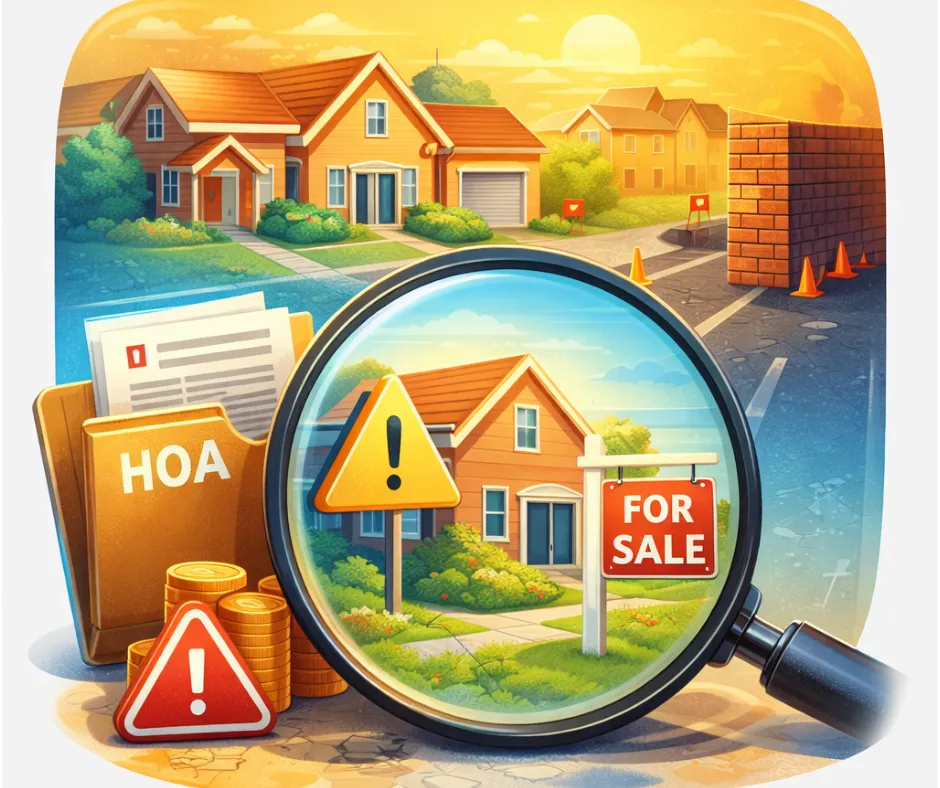
This is what I call resale friction — small issues that create big slowdowns and concessions later.
In Palm Beach and many Florida markets, HOAs can be the difference between:
Multiple offers in 10 days
orPrice drops and long listing timelines
If the rules make it harder to sell, finance, rent, or insure — it impacts the exit.
3) Market Depth Over Market Hype
Some homes are “hot” online.
That doesn’t mean they’re safe investments.
A good exit strategy requires one thing most agents don’t talk about enough:
Market depth
Market depth means:
How many buyers can actually afford this home
How many comparable homes compete with it
How financing works for that type of property
How stable demand is in high and low seasons

In Florida, hype can inflate decisions:
waterfront buzz
“everyone is moving here”
influencer-style real estate content
short-term trend pricing
But hype fades. Depth stays.
Homes with real market depth hold value better and sell faster, regardless of headlines.
4) When NOT to Buy — Even If You Can
This is where people are shocked by my advice.
Just because you can buy a home doesn’t always mean you should.
There are times I’ll advise a buyer to pause or pivot, like when:
the property is overpriced based on short-term momentum
the resale pool is too thin
the HOA creates future financing problems
insurance or maintenance costs are trending upward
the home requires high holding costs and has limited appreciation upside

The goal isn’t to win a house.
The goal is to win the decision long-term.
Buying the wrong property can lock up your money, drain your flexibility, and delay future opportunities.
The Truth: If Your Agent Isn’t Discussing Exit, You’re Missing Half the Decision
A purchase strategy without an exit strategy is incomplete.
That doesn’t mean you buy defensively.
It means you buy intelligently.
Because the best home is not just one you love today — it’s one you can leave cleanly later, without regret.
And that’s exactly how I protect my clients.
Download & Clickable Resources



Palm Beach Relocation FAQ
Is it a good idea to buy a home right away when relocating to Palm Beach?
Not always. Buying immediately can be risky because you haven’t experienced daily life, HOA rules, or seasonal patterns yet. Many buyers benefit from renting first, learning the area, and then buying with clarity and leverage.
Why is the first home in Palm Beach the riskiest purchase?
Because relocation buyers are making a decision without lived context. HOA restrictions, insurance costs, taxes, and resale dynamics can vary widely between communities, even when homes look similar.
Should I rent first or buy first when moving to Palm Beach?
Rent first if you’re unsure about the best community fit, want to understand seasonality, or need time to compare HOA rules and true monthly costs. Buy first if you’re highly confident in community fit and have already verified costs, restrictions, and exit strategy.
What HOA details matter most before buying in Palm Beach?
Focus on rental restrictions, special assessments, reserve funding, renovation approvals, and rules that affect resale demand. HOA structure can impact your flexibility and your ability to exit cleanly later.
How do I avoid buyer’s remorse when relocating to Palm Beach?
Slow the timeline, verify HOA and cost details early, and prioritize long-term livability and resale over excitement. The best first purchase is the one that still works after the novelty wears off.
What costs do relocation buyers underestimate in Palm Beach?
Many underestimate total monthly carrying costs—especially insurance, HOA obligations, assessments, and property tax structure. Two similar homes can have very different long-term costs.
How do I choose the right community when relocating to Palm Beach?
Start with lifestyle priorities—privacy, activity level, maintenance tolerance, and governance preferences—then filter communities by HOA flexibility, long-term costs, and resale demand.
Do I need a buyer’s agent when relocating to Palm Beach?
It’s strongly recommended. Relocation buyers face more unknowns, and a buyer’s agent helps identify community differences, verify HOA restrictions, evaluate true costs, and negotiate with long-term outcomes in mind.
Client
TESTIMONIAL
We would highly recommend Noel for any real estate transaction. We were buying from out of state and he went above and beyond to review properties for us in advance. After a prolonged search, we finally found our dream home only to have the inspection kill the deal for us. Noel handled the entire situation so well. From understanding our decision to walk away to delivering the message to all parties, he was nothing but professional. He was very supportive and two weeks later found us the home that was always meant to be ours. We cannot express how refreshing it is to work with such professional. If you have something to sell or are looking to buy, Noel is who you want to call. -Sheila E
Contact us

~Helping Clients Make Smart Real Estate Decisions~


